
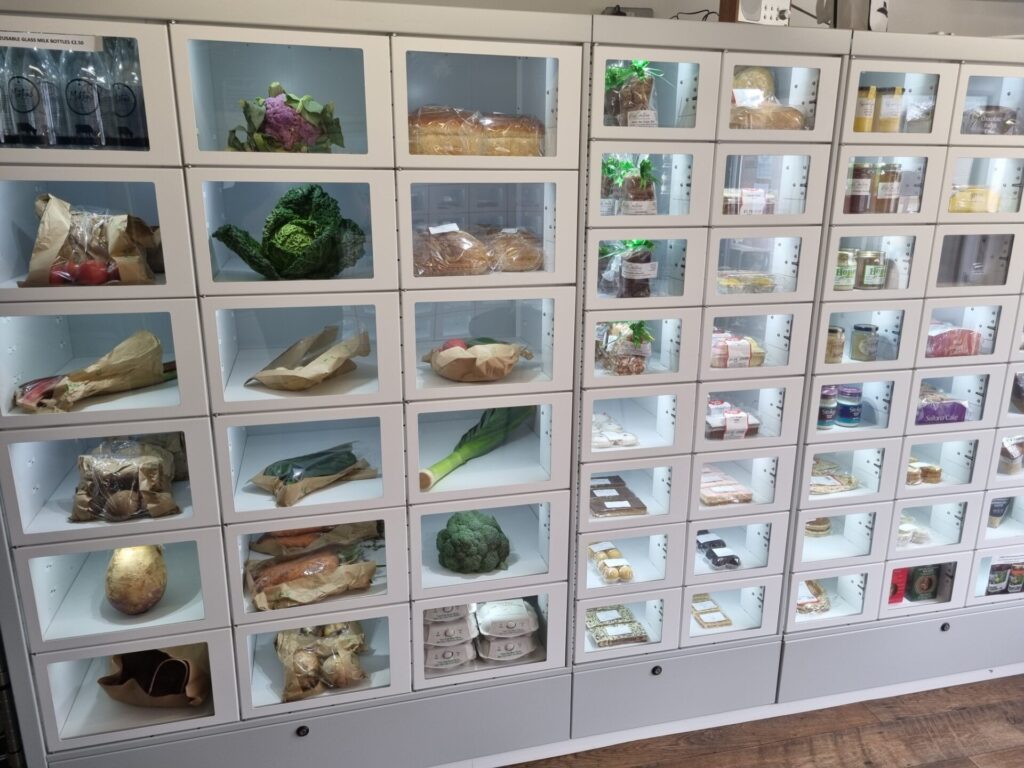
Farm gate sales refer to the practice of farmers selling their produce directly to consumers or retailers without involving intermediaries such as wholesalers, brokers, or middlemen. This method of selling has gained popularity in recent years as more consumers seek locally-grown produce and prefer to support small-scale farmers. In this article, we will explore the benefits and challenges of farm gate sales.
One of the main advantages of farm gate sales is that it allows farmers to earn higher profits. By selling directly to consumers, farmers can avoid the costs associated with intermediaries, such as transportation, storage, and commission fees. This means that farmers can offer their produce at a lower price while still earning a higher profit margin. This can make it easier for small-scale farmers to compete with larger agribusinesses.
Farm gate sales also offer environmental benefits. By selling locally, farmers can reduce the carbon footprint associated with transportation since their produce does not need to be shipped long distances. This can also help reduce food waste since farmers can sell their produce directly to consumers or retailers without worrying about excess inventory. Additionally, by selling fresh produce that has not been transported long distances or stored for long periods of time, farmers can offer healthier and more nutritious food options.
However, farm gate sales also come with challenges. One of the main challenges is that farmers need to have the time and resources to sell their products. This can be difficult for small-scale farmers who may already be stretched thin with the demands and time constraints of running a farm. Additionally, farmers need to have the infrastructure in place to sell their products, such as a roadside stand, a farmer’s market stall, or an online store. This can require a significant investment of time and money.
Another challenge of farm gate sales is that farmers need to be able to manage their inventory effectively. Since they are selling directly to consumers, farmers need to have a good understanding of their customer’s preferences and buying habits. They also need to be able to manage their inventory to ensure that they have enough products to meet demand without overproducing and generating excess waste.
Our Farm Vending Machines have been designed and tailored to mitigate these problems farmers face when selling their produce directly to consumers. Using a Farm Vending Machine means produce can be sold to the consumer without a farm representative present. Not taking away time that’s needed to run farm operations. The use of remote monitoring software (like our Vending Web) on modern smart vending machines also allows the farmer to have an understanding of their customer’s preferences and buying habits. Data from remote monitoring software informs the farmer exactly how much of each product sells over a custom time frame, so the farmer knows exactly how much inventory is needed to satisfy customer demand.
In conclusion, farm gate sales can be a valuable way for farmers to sell their products directly to consumers or retailers. By eliminating intermediaries, farmers can earn higher profits, and offer environmentally sustainable and nutritious food options. However, farm gate sales also come with challenges, such as the need to market and sell products effectively, manage inventory, and invest in infrastructure. If these challenges can be overcome, farm gate sales offer an important opportunity for small-scale farmers to diversify and gain additional essential revenue sources. If you believe using farm vending technology is the best method for you to sell through farm gate sales, head over to our contact page to get in touch with us about acquiring a Farm Vending Machine for yourself.